
Escolher a química de uma bateria em 2026 é uma decisão tão regulamentar quanto de engenharia. Este documento pontua níquel-cádmio (NiCd), níquel-hidreto metálico (NiMH) e iões de lítio face aos requisitos reais do Regulamento (UE) 2023/1542, REACH, regras de transporte e obrigações de fim de vida — mostrando por que o NiMH sem cádmio é a opção por omissão de menor arrependimento para muitas aplicações profissionais e industriais europeias.
O NiCd falha desde a base: o cádmio é o seu material negativo ativo em cerca de 15–20 % da massa da pilha face a um limite portátil de 20 ppm no anexo I, e as antigas isenções de utilização reduziram-se acentuadamente; só sobrevivem nichos herdados de emergência/médicos em condições rigorosas. O NiMH não contém cádmio, mercúrio ou chumbo adicionado por conceção e os ensaios situam-se nos limites de deteção ou próximo. As pilhas de iões de lítio passam o anexo I, mas comportam uma complexidade de materiais REACH mais pesada — aglutinantes fluorados e aditivos de eletrólito, cobalto e triagem relacionada com PFAS — além de sobreposições com a Diretiva de veículos em fim de vida na utilização veicular. Em margem de substâncias, o NiMH é o mais limpo dos três.
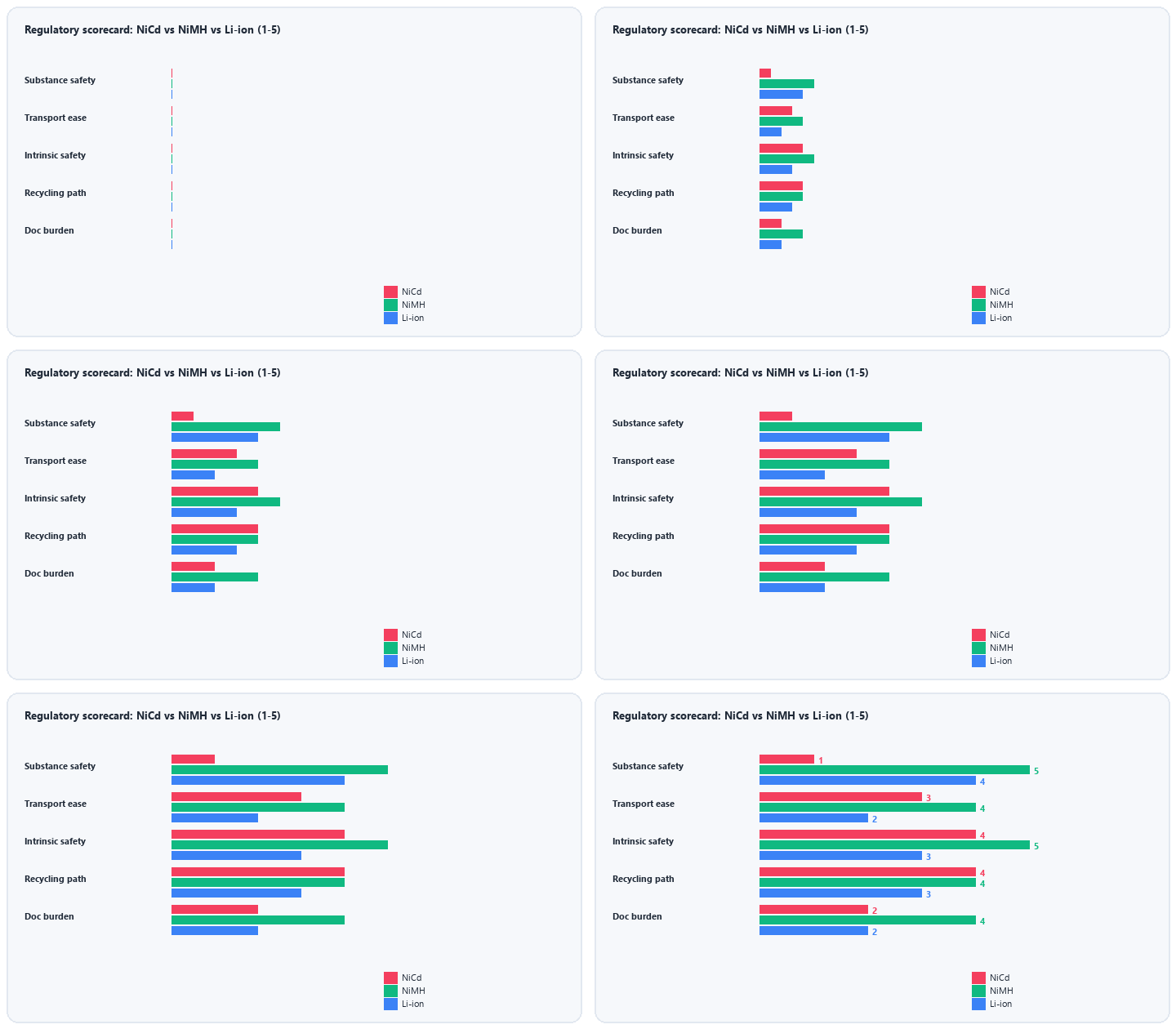
As regras de transporte divergem acentuadamente. As pilhas de lítio são enviadas sob os números ONU 3480/3481 com limites de estado de carga (30 % para muitas rotas aéreas), regras de embalagem baseadas em Wh, rótulos de classe 9, resumos de ensaios e condições de carga aérea cada vez mais restritivas; os incidentes de fuga térmica conduzem a endurecimentos todos os anos. O NiMH é enviado sob ONU 3496 (baterias, níquel-hidreto metálico, classe 9) com condições substancialmente mais leves e sem restrição de estado de carga; o seu eletrólito aquoso de hidróxido de potássio não pode sofrer fuga térmica nem inflamar-se. O NiCd partilha o perfil de segurança aquoso, mas está comercialmente desqualificado pelas restrições de cádmio. Para dispositivos em que a segurança perto de pessoas importa — médico, instrumentos, equipamentos em espaços públicos — a segurança intrínseca do NiMH é um argumento de engenharia documentado, não marketing.
A pontuação de fim de vida segue a recuperação de materiais. O chumbo-ácido lidera na reciclagem madura em circuito fechado, mas é pesado e contém ácido; o NiMH oferece recuperação de níquel e aço acima de 90 % por hidrometalurgia madura, ligas de terras raras recuperáveis e valor positivo de recolha; a reciclagem de iões de lítio está a expandir-se, mas a recuperação de lítio só recentemente ultrapassou os 50 % e o processamento é dispendioso, com restrições à transferência de resíduos de massa negra a endurecer. Nos artigos 70–72, os objetivos de recuperação Co/Cu/Pb/Ni de 90/95 % são folgadamente cumpridos pela infraestrutura NiMH, e o teor de níquel alimenta a procura de conteúdo reciclado do artigo 8 — uma história circular que o NiCd não pode contar e o lítio ainda está a construir.
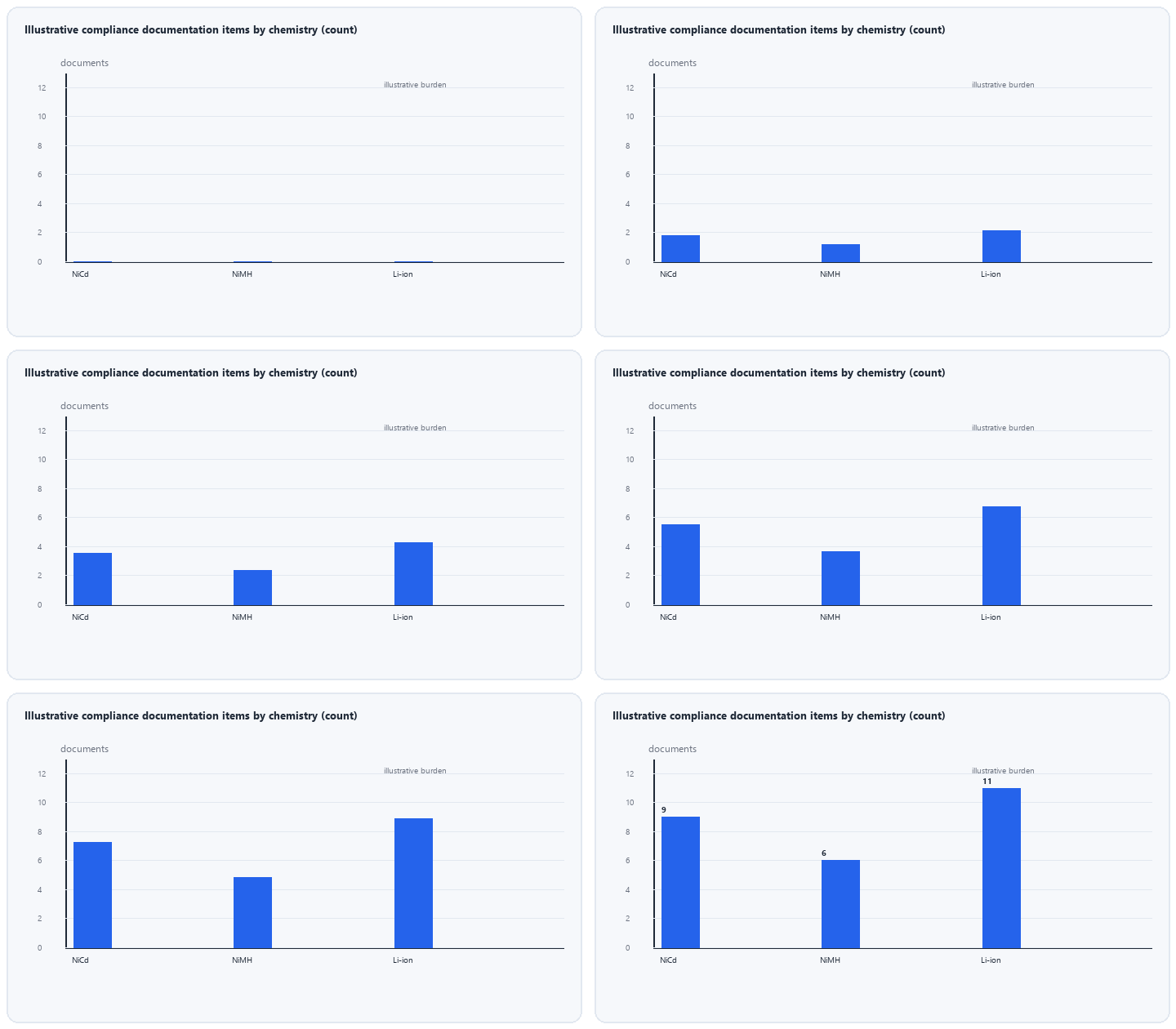
O conjunto documental cresce com o risco. Os processos NiCd devem justificar isenções que encolhem — uma carga de manutenção perdedora. Os packs de lítio carregam o conjunto mais amplo: evidências ONU 3480/3481, procedimentos de estado de carga, processos de segurança térmica e, para packs maiores, exposição à pegada de carbono, conteúdo reciclado e passaporte acima dos limiares de categoria. Os processos NiMH são padrão e estáveis: desempenho IEC 61951, segurança IEC 62133-1, transporte ONU 3496, declarações do anexo I/REACH e classificação portátil que mantém as pequenas pilhas fora dos regimes de carbono e passaporte. A comparação indicativa do número de documentos acima capta a direção: menos documentos de exceção, menos reauditorias, menos obrigações surpresa quando as regras endurecem.
Escolha NiCd apenas onde uma especificação herdada o exija legalmente e planeie a substituição; escolha iões de lítio onde Wh/kg e alta tensão dominam (mobilidade, dispositivos portáteis de alta energia); escolha NiMH onde o serviço é corrente moderada, longa vida de calendário, espera flutuante, robustez em ampla gama de temperaturas, segurança intrínseca e baixa fricção regulamentar — instrumentos médicos, sistemas de reserva e emergência, controlos industriais, medição, lar sem fios e cuidados pessoais, e dispositivos profissionais sensíveis ao custo. Uma pilha NiMH de 1,2 V é a substituição direta concebida para os alojamentos NiCd herdados, o que torna a substituição sobretudo administrativa em vez de eletrónica. Conduza a decisão como um cartão escrito para que a escolha seja defensável no processo técnico.
Weijiang Power fabrica o lado NiMH deste cartão, tirando pleno partido da sua vantagem: pilhas sem cádmio com resultados de metais pesados no limite de deteção, documentação IEC 61951/62133-1 e ONU 3496, segurança intrínseca aquosa, evidências maduras de reciclagem de níquel e processos de categoria portátil que mantêm os pequenos packs fora dos regimes de carbono e passaporte. Envie o seu perfil atual de química e serviço e devolver-lhe-emos a referência cruzada NiMH mais a comparação regulamentar para o seu processo de revisão de conceção.


